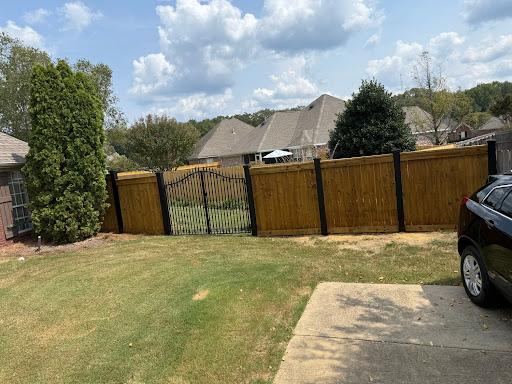
Weather-Resilient Fencing: Building Long-Lasting Barriers in Harsh Climates Jul 24, 2026
When considering weather-resilient fencing, the materials you choose are a primary factor in how well your structure will perform. Certain materials such as vinyl, metal, and treated wood are more adept at withstanding harsh climates. Vinyl fencing is known for its durability in wet and humid climates due to its ability to resist rot and mold. Moreover, it does not discolor under the sun’s UV rays, making it an excellent choice for sun-exposed areas.
Metal fencing, particularly galvanized steel and aluminum, provides robust protection against strong winds and heavy snowfall. These metals are corrosion-resistant, ensuring a long-lasting lifespan even in moist environments. Aluminum, being naturally rust-proof, makes a cost-effective and low-maintenance option that doesn’t compromise on strength. Pennington Fence Co recommends powder-coating metal fences for an extra layer of weather resistance.
For those who prefer the traditional appeal of wood fencing, the key is to opt for treated wood. This type of wood is treated with preservatives to resist decay, insect damage, and moisture. Cedar and redwood are naturally resistant to pests and moisture, making them good choices for wetter climates. Regular maintenance, such as sealing and staining, can further prolong the life of a wooden fence, ensuring that it withstands the elements.
Installation techniques also play a vital role in creating a weather-resistant fence. Setting posts deep enough can increase stability and help resist high winds. A depth of one-third of the fence height is typically recommended. Utilizing concrete in post holes can prevent shifting and add sturdiness to the structure. Pennington Fence Co employs advanced installation methodologies to ensure maximum resilience against weather conditions.
The orientation and design of the fence can influence its ability to withstand harsh weather too. Solid panel designs might offer great privacy, but leaving a little room for airflow through lattice tops or shadow box designs can reduce wind pressure. Additionally, angling the top of the fence can help shed rainwater more efficiently, preventing excessive moisture buildup that could accelerate wear and tear.
Routine maintenance is essential to prolong the lifespan of any fence, regardless of material. Routine inspections, cleaning, and repairs can mitigate the effects of weathering. For example, rinsing off salt deposits in coastal areas can prevent corrosion of metal fences, while regular staining and sealing can protect wooden fences from moisture ingress.
Choosing the right fencing for harsh climates involves a comprehensive understanding of the materials, construction techniques, and design elements that best resist the environment. Pennington Fence Co is committed to helping you make informed decisions, providing expert advice, and delivering quality service to ensure your fences remain durable and resilient over time.
In conclusion, weather-resilient fencing is not only about selecting the right materials but also about proper installation and upkeep. With the right combination, your fence can enhance curb appeal and offer reliable protection for years to come. At Pennington Fence Co, we're here to help secure your property with solutions tailored to withstand whatever nature throws your way.
/filters:no_upscale()/filters:format(webp)/media/b55be915-ea64-46ff-8807-d931d8914851.jpg)
/filters:no_upscale()/filters:format(webp)/media/03c30a7a-5d81-400a-b760-08c3afe6b7b5.jpg)