The Ultimate Guide to Fence Installation for Uneven Terrain Dec 04, 2025
When approaching fence installation on uneven terrain, the first step is to accurately assess the landscape. This involves examining the slope and determining the degree of elevation changes across the area where the fence will be installed. Understanding the topography is crucial because it will dictate the installation methods to use, such as a stepped approach or contour method.
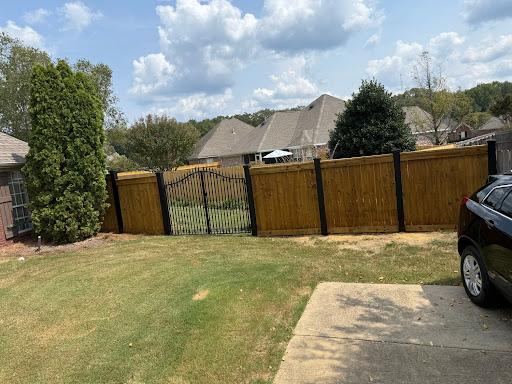
A common method employed is the stepped fence installation. This technique involves installing the fence panels in a staggered manner, creating a series of steps that follow the landscape's natural slope. Each post is set at a different height, allowing the panels to join at a uniform level. This style is particularly effective for areas with a pronounced slope, providing a visually appealing and consistent look across varying ground levels.
Alternatively, the contour method, also known as racked or sloped fencing, allows the fence to follow the land's contours directly. This involves angling the panels so they smoothly flow with the incline of the ground. Though it requires precision, this method provides a seamless appearance and eliminates gaps at the bottom, making it ideal for gradual slopes or hilly terrain.
Understanding the unique characteristics of your landscape can inform the right materials to use. For uneven terrain, flexibility and adaptability are vital. Materials like wire mesh or flexible vinyl can be particularly effective due to their ability to conform to a variety of shapes and angles. However, while selecting these materials, the aesthetic and maintenance needs should also be considered, especially if the fence is intended to enhance your property’s curb appeal.
One of the most important aspects of successful fence installation is proper post-setting. Given the challenges presented by uneven terrain, ensuring that each post is firmly set and level is critical. Using spikes and gravel for support can enhance stability, preventing the fence from shifting or collapsing over time. Additionally, concrete foundations for posts can provide the extra stability needed in more challenging terrains.
It's also crucial to accommodate for drainage and soil erosion in the planning stages. Uneven terrain often means water run-off issues, which can undermine the fence if not properly managed. Consulting with Pennington Fence Co can offer solutions such as gravel backfilling or incorporating drainage channels to maintain the longevity of your installation.
Finally, consider any local regulations or homeowner association rules regarding fence installations on uneven terrain. Permits and inspections may be required to ensure compliance with community standards and safety codes. Staying informed on these requirements can prevent costly fines and potential rework.
In conclusion, installing a fence on uneven terrain can be a rewarding project that significantly enhances your property's functionality and aesthetics. By understanding the landscape, selecting appropriate materials, and employing effective construction techniques, homeowners can achieve a sturdy and visually pleasing fence. Relying on the expertise of professionals like Pennington Fence Co can ensure a durable installation that maximizes your investment while complementing the natural contours of your land.
/filters:no_upscale()/filters:format(webp)/media/b55be915-ea64-46ff-8807-d931d8914851.jpg)
/filters:no_upscale()/filters:format(webp)/media/03c30a7a-5d81-400a-b760-08c3afe6b7b5.jpg)